
Boiler plants for the food-& beverage industry, powered by your own waste
Volatile Gaspreise
Steigende Kosten für CO₂ und Anforderungen der Kunden
Kontinuität der Produktion

Steam and heat from biomass and residues
A HoSt boiler plant replaces or supplements your gas fired heat supply with heat from solid fuels. Each plant is engineered around your steam and hot water demand, your site, and the fuels available in your region.
- Fuel flexibility. Clean wood, wood residues or RDF, so you are not tied to a single fuel or supplier.
- Value from dry residues. Depending on their composition, dry production residues such as husks, shells or wooden packaging can be used as fuel, turning a disposal cost into energy.
- Heat and power. Plants can be designed as combined heat and power, so you also generate electricity on site.
Unsere schlüsselfertige Kesselanlage
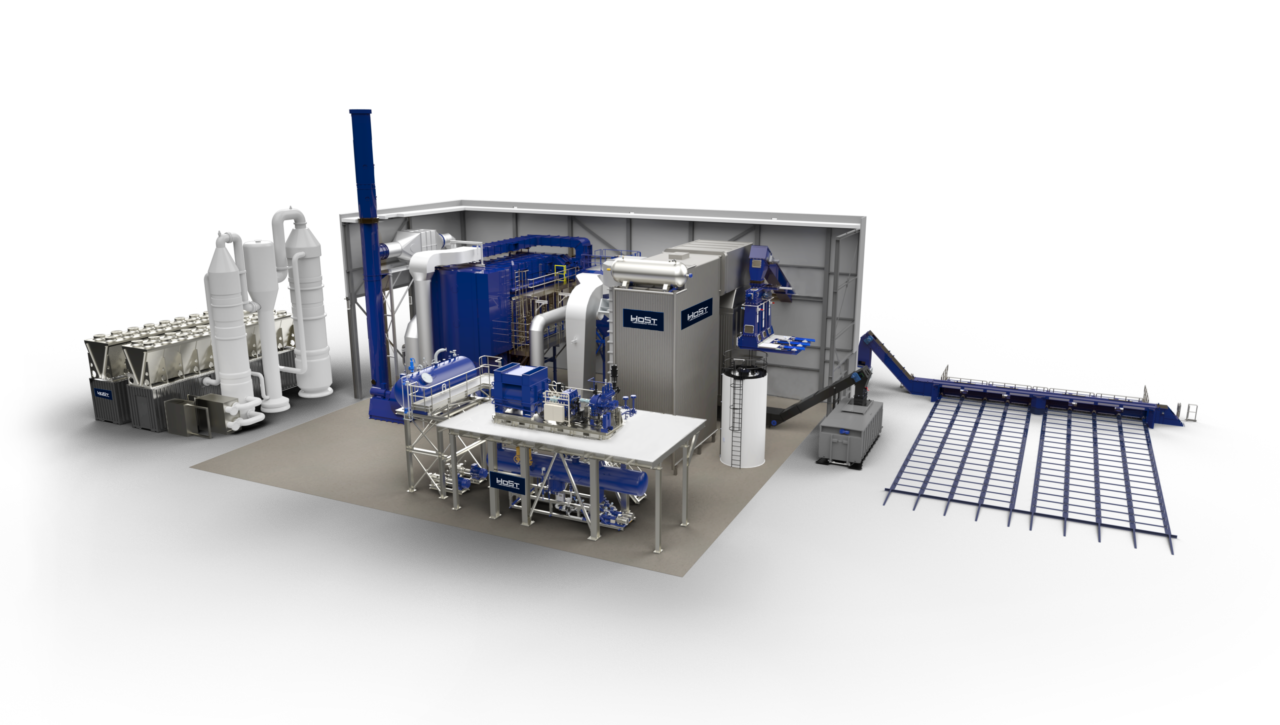
Unsere Kesselanlagen werden mit eigener Technologie geliefert. Das folgende Bild zeigt beispielhaft eine schlüsselfertige Kesselanlage von HoSt, einschließlich Technologie zur Abscheidung von CO₂.

Abscheidung von CO₂
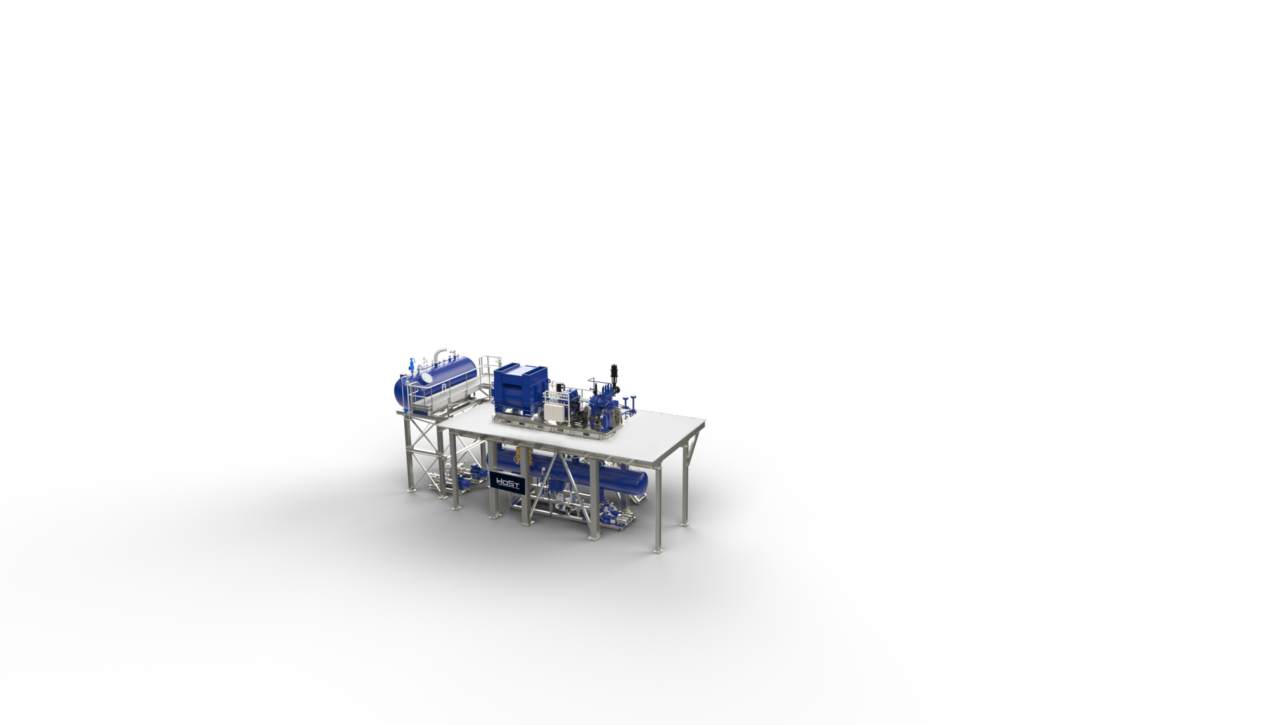
Kesseltechnik
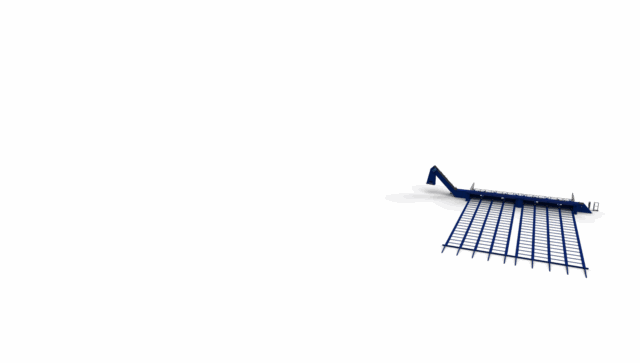
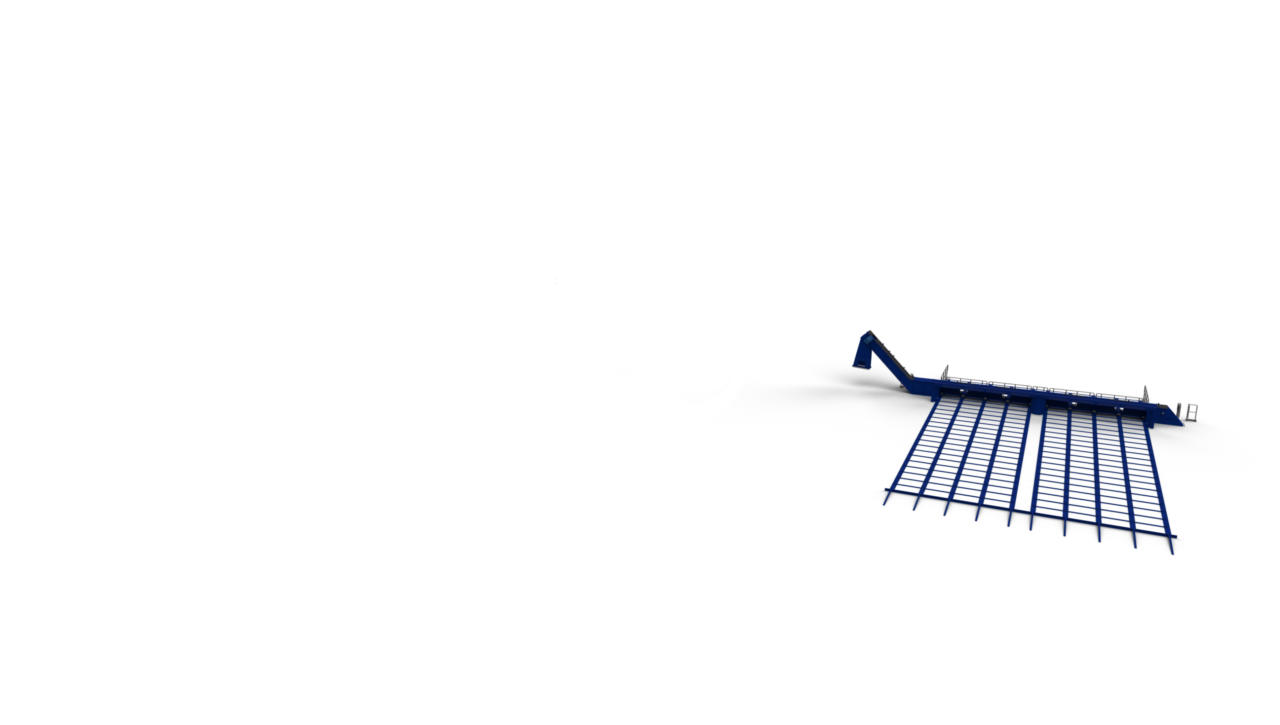
Brennstoffförderung und Lagerung
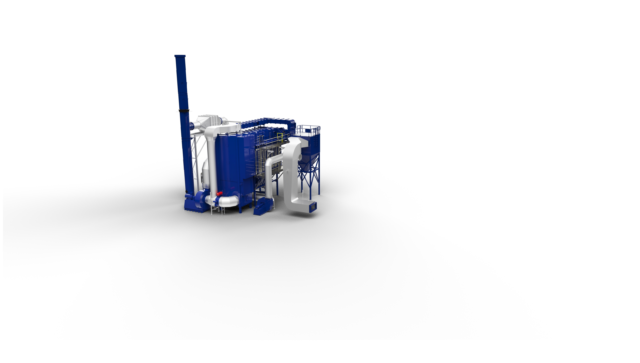
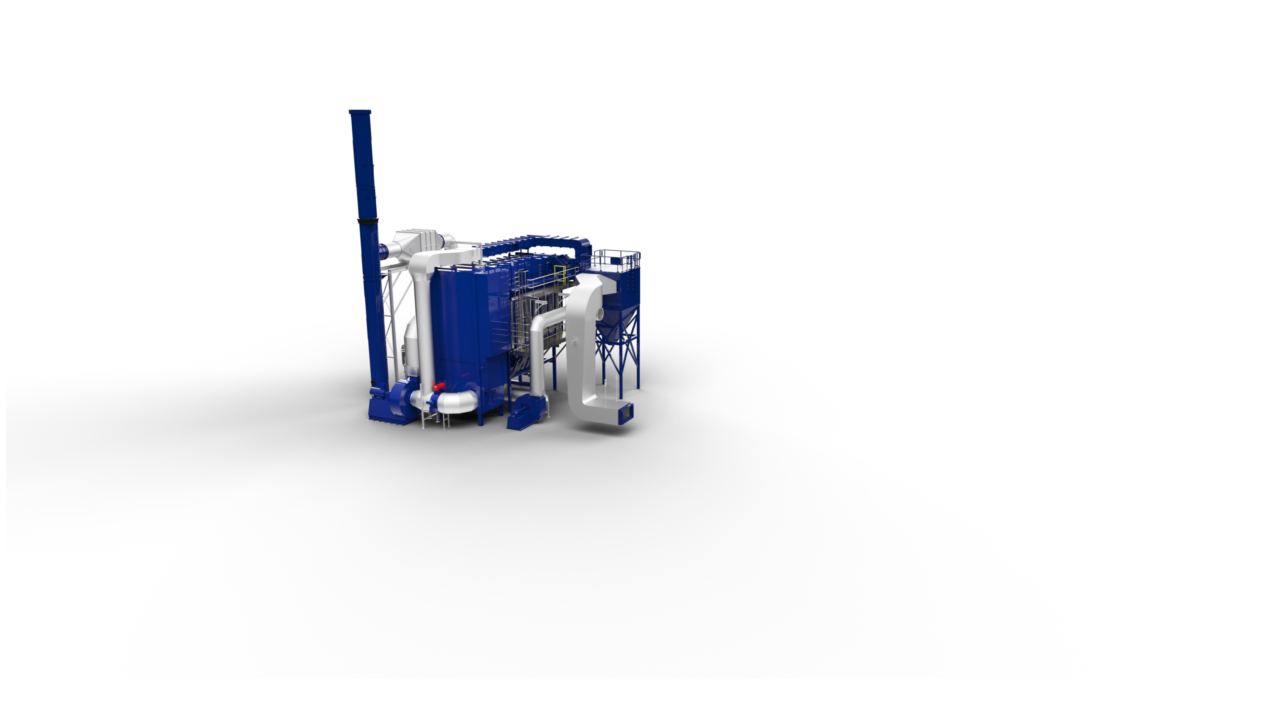
Rauchgasreinigung
Kesseltechnik
Two ways to switch
Technologiekauf
Energy as a Service
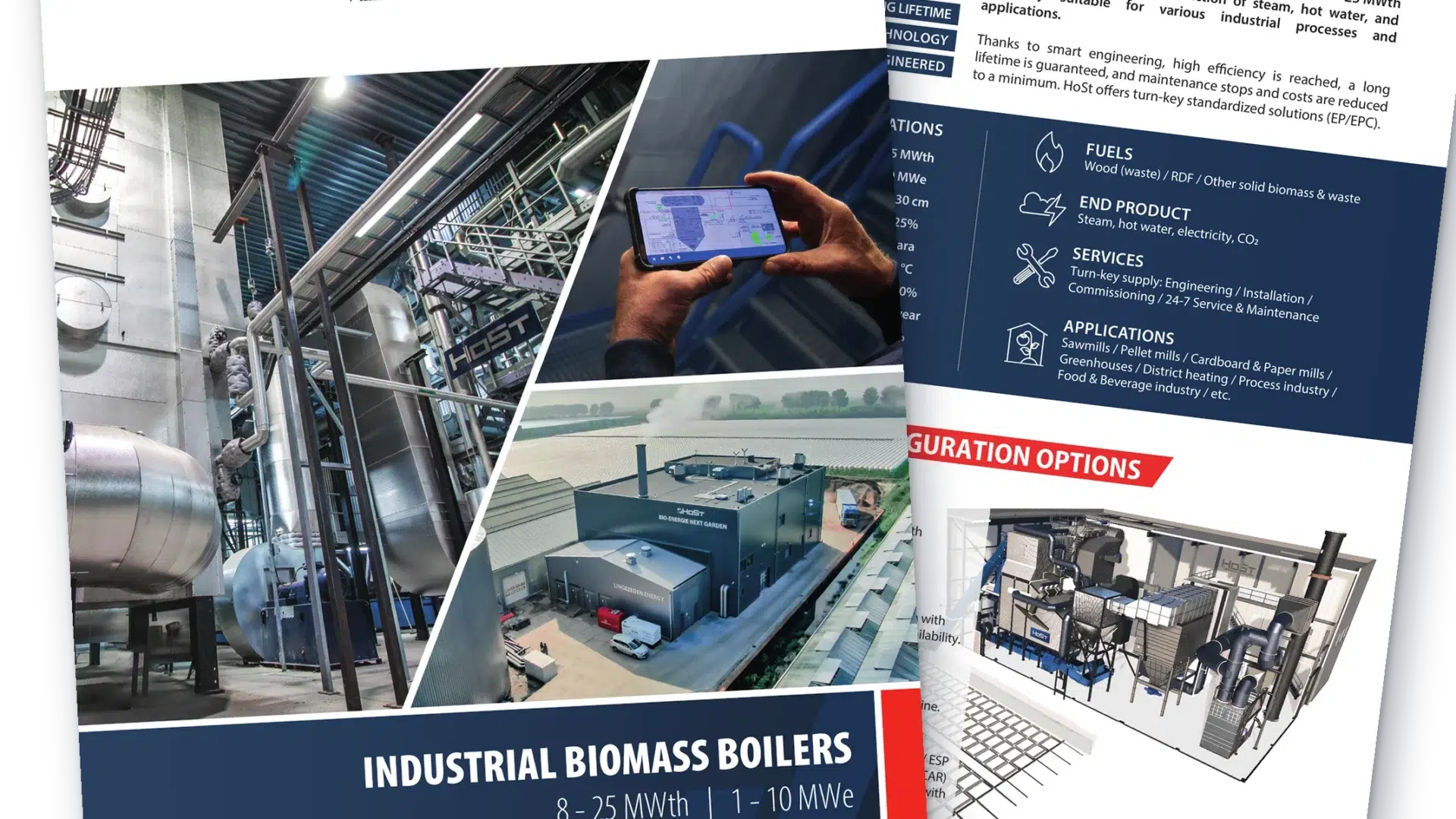
Our thermal technology at a glance
Everything you need to brief your colleagues in one document. The factsheet gives a concise overview of our biomass and RDF boiler plants, so energy, technical and finance teams can assess the options together.
What is inside:
- Capacity range and outputs: steam, hot water and power
- Suitable fuels: clean wood, wood residues and RDF
Proven in continuous industrial operation
At Vrancart in Adjud, Romania, a HoSt combined heat and power plant has supplied steam to round the clock production since commissioning. The plant runs on refuse derived fuel and delivers 18.5 tonnes of steam per hour at 6 barg and 175 °C, steam conditions common in food and beverage processing. The result: 50% less natural gas.
What could your heat cost?
Share your heat demand and your targets. Our engineers prepare an indicative business case for both plant purchase and Own to Operate, so you can compare the two with your current costs. We use your details only to prepare your business case.
Frequently asked questions
What capacity do you cover?
Our plants range from 8 to 25 MW thermal and supply steam, hot water, and electricity. If your demand falls outside this range, contact us to discuss the options.
What availability can we expect?
Expected availability: 8,000 hours per year, supported by remote monitoring and local service engineers.
Which waste streams are suitable for combustion in a combined heat- and power plant?
- Husks and shells
- Cocoa shells
- Wooden pallets and packaging
- Clean wood and wood residues
- RDF from commercial waste
- Other RDF
How does Own to Operate work financially?
HoSt invests in the plant and operates it. You pay an agreed price per MWh of heat delivered. Contract term and price indexation are agreed before construction starts.