
Secure energy supply for paper mills, powered by your own waste
Paper production runs on heat
Drying paper takes large amounts of heat, around the clock. For mills that rely on natural gas, energy is one of the largest and least predictable items in the cost per tonne. Every price increase goes straight into your margin.
Volatile gas prices
Rising CO₂ costs
Security of supply

Steam and heat from biomass and residues
A HoSt boiler plant replaces or supplements your gas-fired heat supply with heat from solid fuels. Each plant is engineered around your conditions, your site, and the fuels available in your region.
- Fuel flexibility. Clean wood, wood residues or RDF, so you are not tied to a single fuel or supplier.
- Remove waste disposal costs. Depending on their composition, rejects from recovered paper processing can be used as fuel, turning a disposal cost into energy.
- Heat and power. Plants can be designed as combined heat and power, so you also generate electricity on site.
Unsere schlüsselfertige Kesselanlage
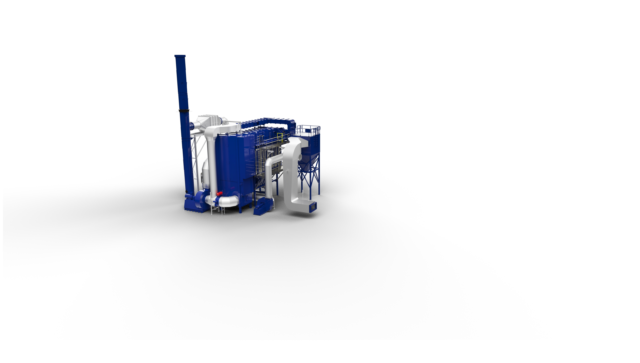
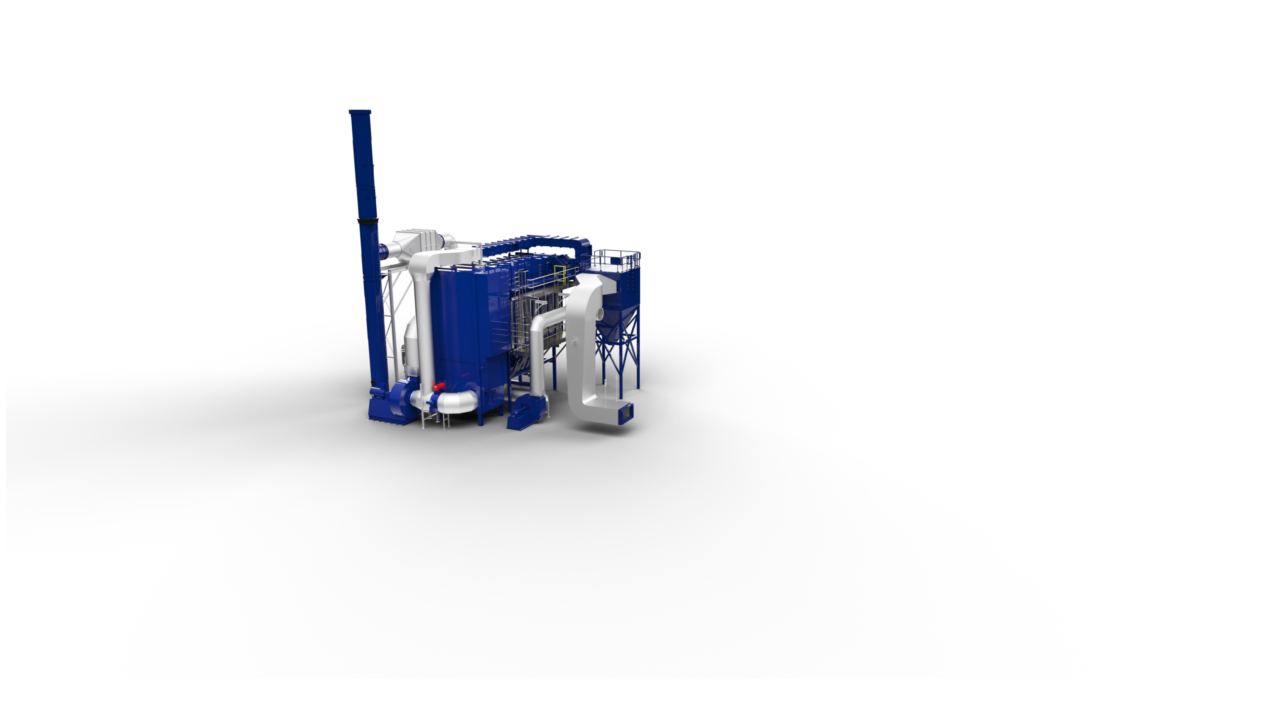
Unsere Kesselanlagen werden mit eigener Technologie geliefert. Das folgende Bild zeigt beispielhaft eine schlüsselfertige Kesselanlage von HoSt, einschließlich Technologie zur Abscheidung von CO₂.
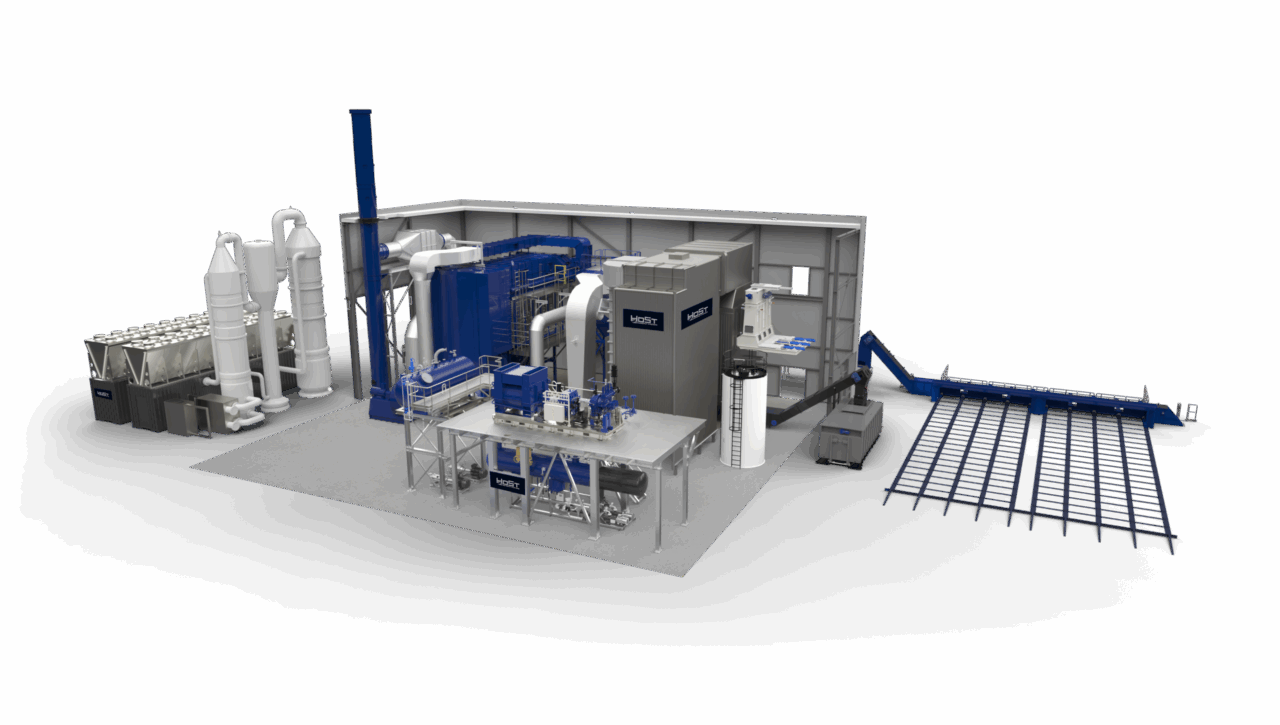
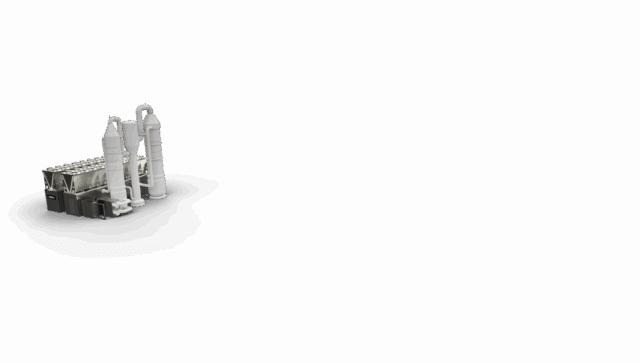

Abscheidung von CO₂
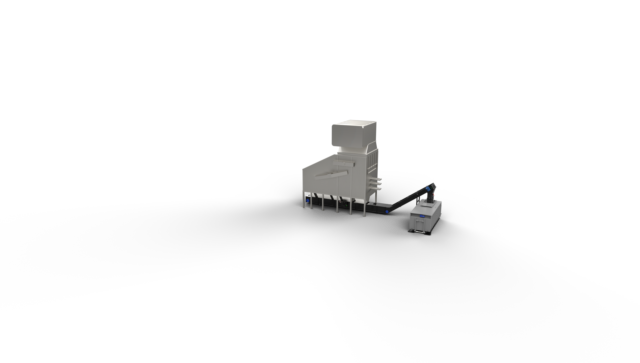
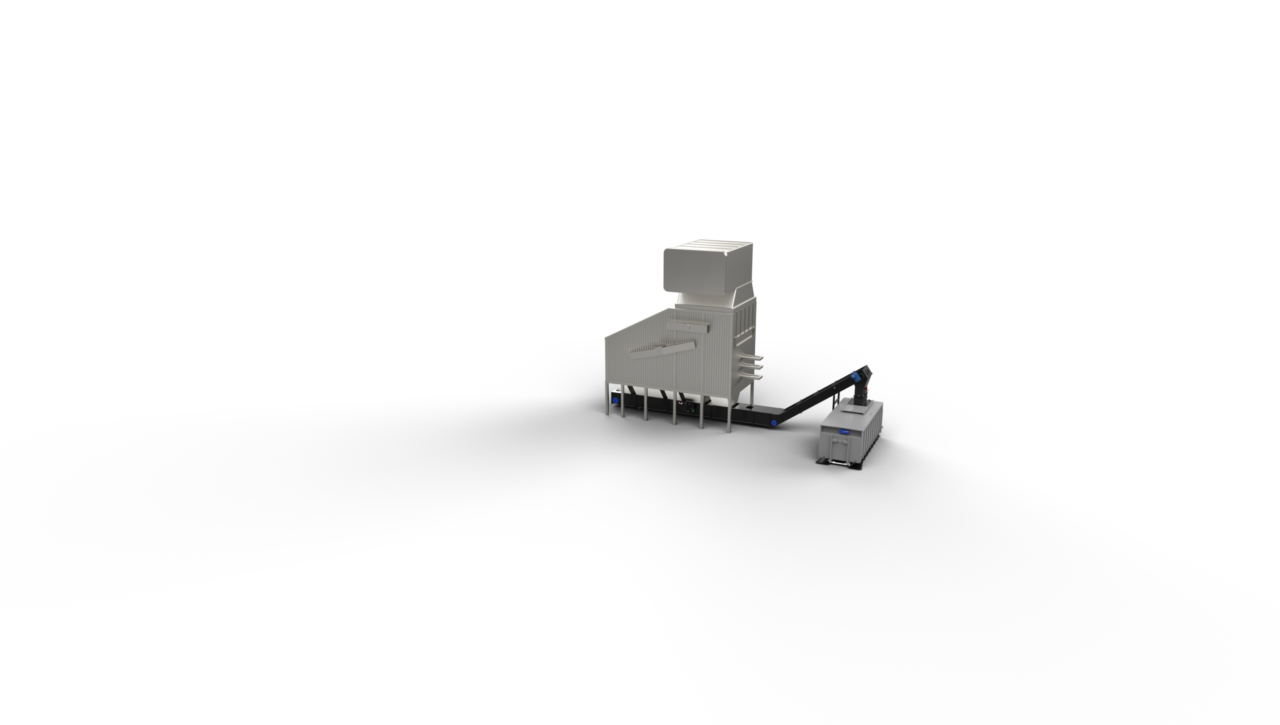
Verbrennungstechnik
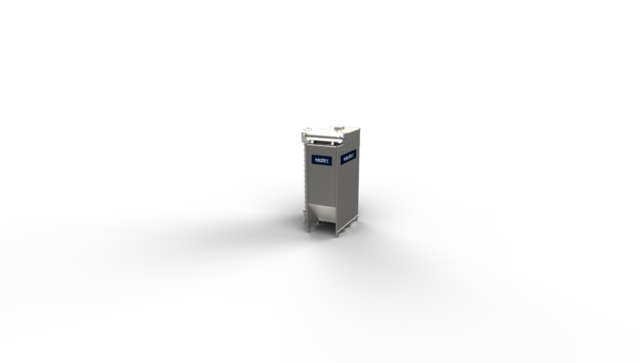
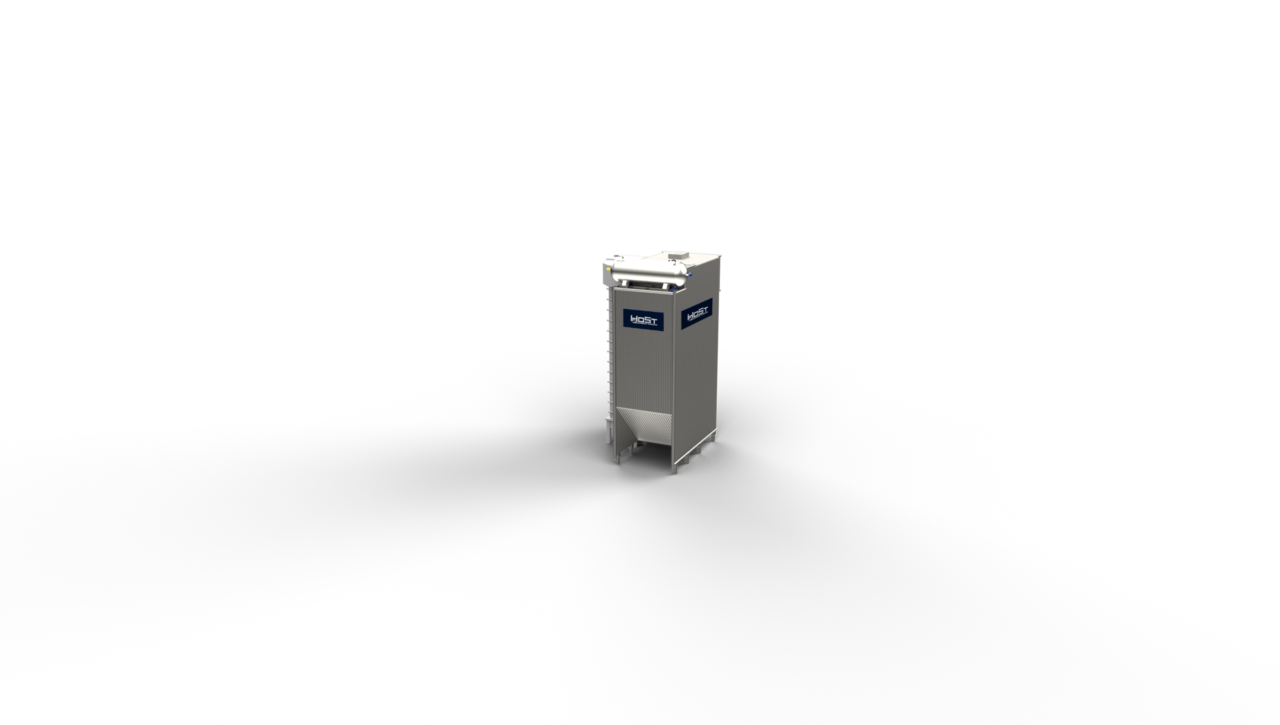
Kesseltechnik
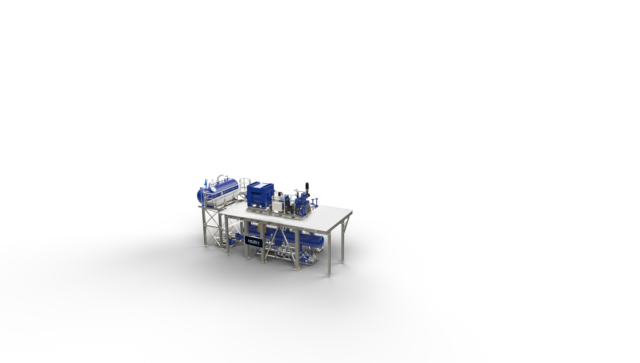
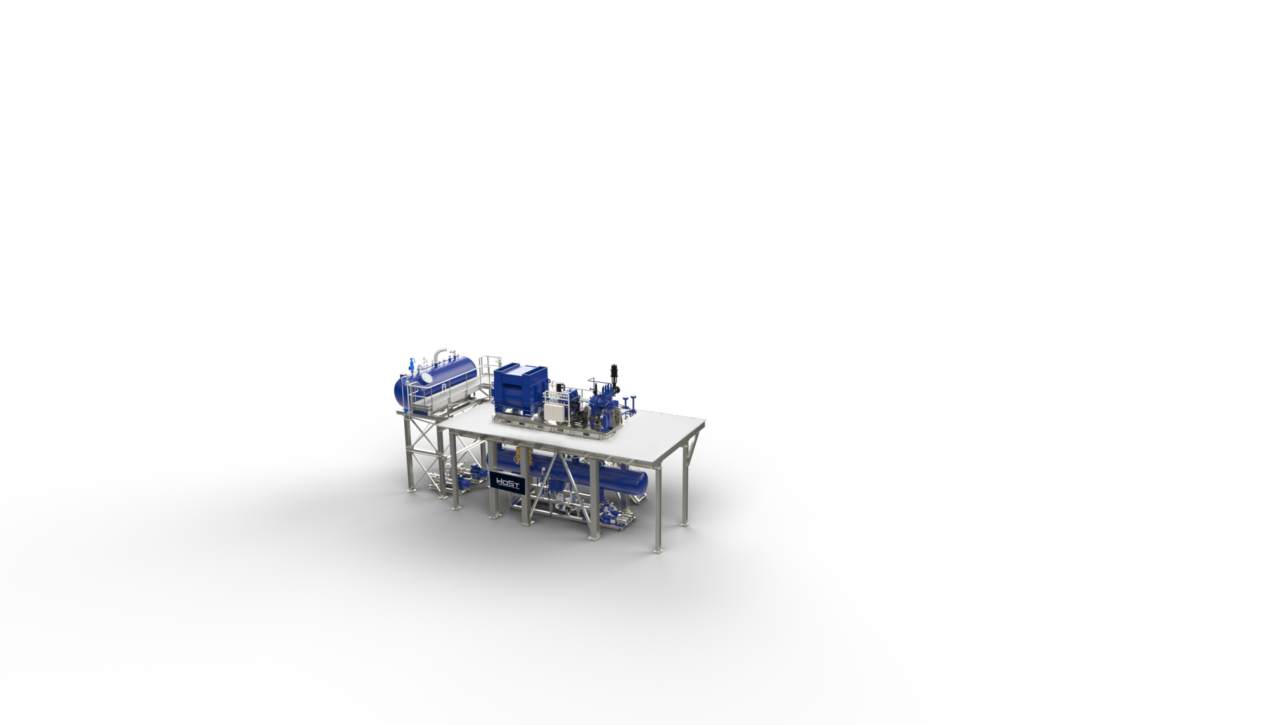
Dampfturbinentechnik


Brennstoffförderung und Lagerung
Rauchgasreinigung
Two ways to switch
Technology purchase
Energy as a Service
Our thermal technology at a glance
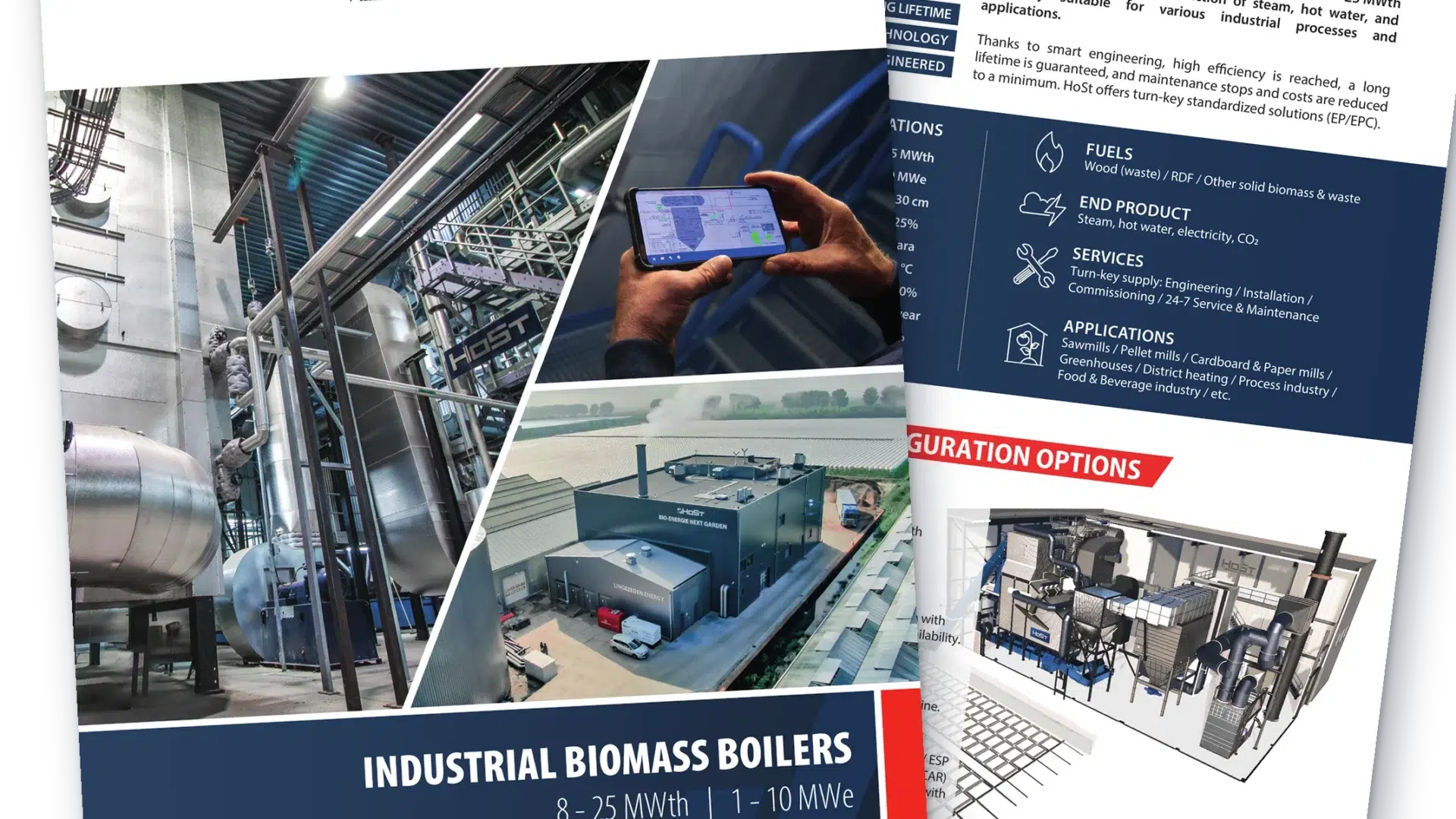
Everything you need to know in one document. The factsheet gives a concise overview of our biomass and RDF boiler plants.
What is inside:
- Capacity range and outputs: steam, hot water and power
- Suitable fuels: clean wood, wood residues and RDF
Project example: 50% natural gas savings at paper mill in Romania
HoSt Thermal Technology constructed a combined heat and power (CHP) facility with a capacity of 15 MW thermal (MWth) and 1.8 MW electrical (MWe) at a major cardboard production site, Vrancart, in Adjud, Romania. This installation operates on refuse-derived fuel (RDF), which is sourced from paper recycling rejects, paper sludge, scrap timber, and general municipal waste. This resulted in a fifty percent reduction in the factory’s reliance on natural gas.
The paper mill is self-sufficient in its fuel supply, generating its own RDF from recycled byproducts and utilizing the resulting energy in-house for its operational demands. Within the plant, a water tube steam boiler unit feeds the turbine, which produces 1.8 MW of electricity and finally delivers 18.5 tons per hour of steam to the paper mill at a pressure of 6 barg and a temperature of 175°C. The overall system complies not only with rigorous EU emission standards, but the measured values are significantly better. It incorporates state-of-the-art flue gas treatment and is housed in a compact structure with a height of only 17 meters.
What could your heat cost?
Share your heat demand and your targets. Our engineers prepare an indicative business case for both plant purchase and Own to Operate, so you can compare the two with your current costs. We use your details only to prepare your business case.
Waste to energy in paper production
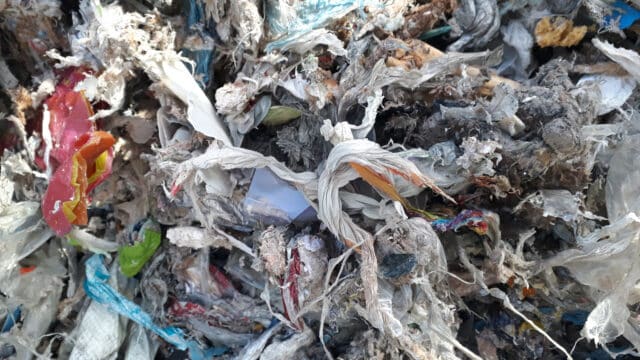
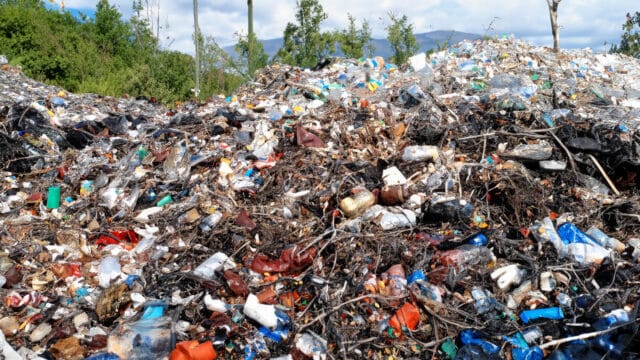
Paper and packaging factories can utilize various types of refuse-derived fuel (RDF) or solid-recovered fuel (SRF). Incinerating these fuels in a combined heat and power plant provides a decentralized, sustainable energy source while lowering waste management costs. RDF and SRF can be produced from different industrial waste streams, such as:
-
Rejects from recycled paper

-
Paper sludge

-
Other RDF
-
Industrial waste

-
Commercial waste
-
Biomass


Frequently asked questions
What availability can we expect?
Expected availability: 8,000 hours per year, supported by remote monitoring and local service engineers.
How does Own to Operate work financially?
HoSt invests in the plant and operates it. You pay an agreed price per MWh of heat delivered. Contract term and price indexation are agreed before construction starts.
What capacity do you cover?
Our plants range from 8 to 25 MW thermal and supply steam, hot water, and electricity. If your demand falls outside this range, contact us to discuss the options.
Which fuels can the plant use?
Clean wood, wood residues and RDF. The final fuel mix is set in the feasibility study, based on local fuel availability and emission requirements.