
RDF-fired heat & power plant at Vrancart, Romania

Heat & power from RDF
The client generates refuse-derived fuel as a waste stream from their paper factory manufacturing processes. This is a blend of RDF / rejects from recycled paper and paper sludge / fibers which is utilized in this project to produce renewable energy. By utilizing these streams, it reduces the factory’s natural gas consumption by half, which is a great leap forward to a sustainable future.
Paper factory utilizing RDF
The steam boiler in this plant powers a steam turbine, generating 1.7MW electricity and providing 18.5 tons per hour steam at 6 barg and 175°C. The setup meets strict EU emission norms, featuring a compact building of only 17 meter high and advanced flue gas cleaning to minimize emissions.
High efficiency at small scale
Large scale RDF-fired heat and power plants often struggle with total efficiency, as a significant portion of heat is released unnecessarily. The primary goal for the Vrancart project was to demonstrate that a smaller 15 MWt unit could be designed for a lower investment cost per MWt than a conventional 100 MWt plant, while achieving a significantly higher total efficiency by fully utilizing the heat for local processes. Due to its high efficiency, significant savings are achieved not only in electricity purchases but also in gas cost savings. This results in payback periods of 2 to 4 years, depending on waste processing costs, gas and electricity costs in the country concerned.

A critical feature for achieving high availability is the innovative staged combustion system, which minimizes fouling and corrosion. Flue Gas Recirculation (FGR) is used under the grid and at two stages above the grid, reducing the O₂ content in the flue gas to 4-6%. This effectively halves the energy loss in the flue gas compared to an air-blown furnace for dry fuels. FGR maintains low temperatures on the grid, which prevents ash melting, reduces entrainment and mineral evaporation, and ensures a longer lifetime for grid elements. Furthermore, a unique throat/venturi design and double-gas turning ensure optimal O₂/flue gas mixing and high temperatures at the top of the furnace, resulting in CO emissions below measuring levels.
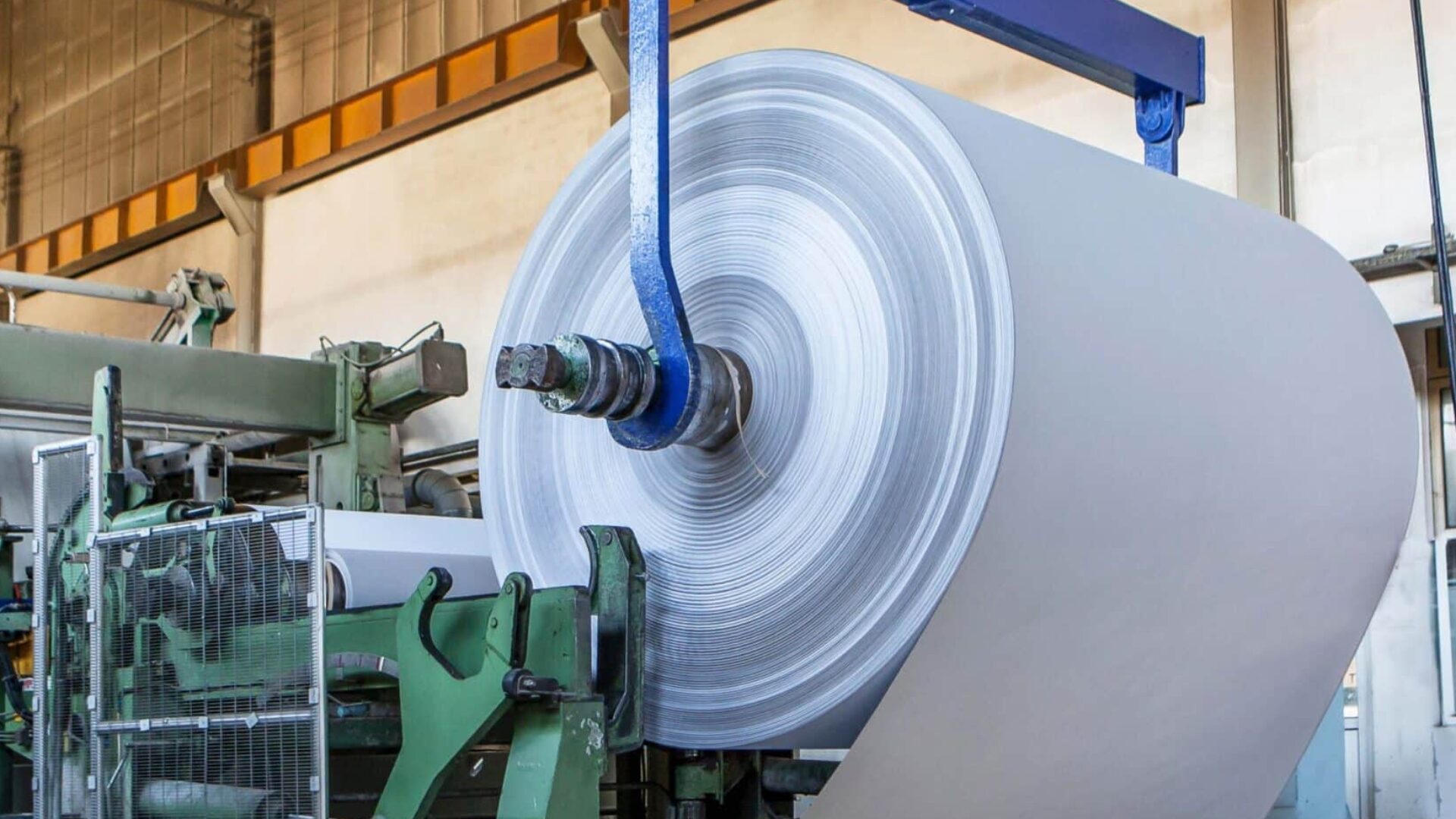
Packaging and paper industry
The industry sector needs clean, efficient, and reliable energy to increase energy security and independence. A feasible solution to tackle the problem for industrial heat and electricity consumers are small and medium-sized CHP plants utilizing RDF as an useful resource. HoSt is pleased to contribute with our technology to the sustainable development of the industry, including paper mills in the packaging and paper industry, and to enable factories to diversify away from natural gas.
Features
- RDF supply from own recycling processes
- Membrane wall for optimal furnace temperature control
- Installation design meets most stringent EU emission laws
- Compact design with low building height (17m)

Months of continuous operation
The optimal combustion conditions and boiler design proved to be effective. The Vrancart waste incinerator ran from the end of October until the beginning of July with very limited fouling. It required no cleaning other than the normal operation with soot blowers, confirming the high-availability goals of the project.