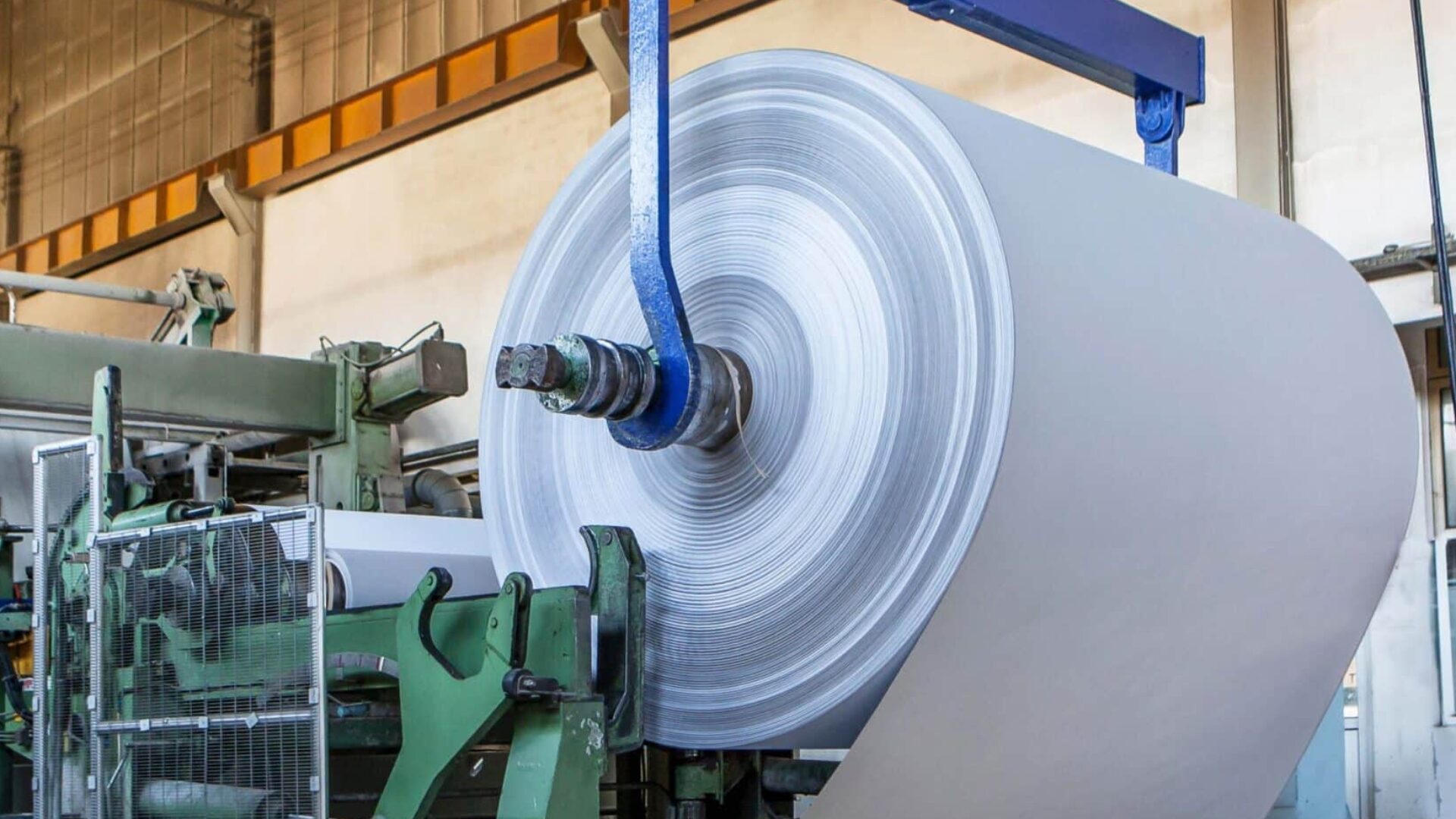
RDF-fired heat & power plant in the paper, pulp & packaging industry

Sustainable energy for the paper industry
The paper industry worldwide faces a crucial challenge: ensuring energy security and competitiveness in a market with highly fluctuating energy prices, while at the same time increasing pressure to drastically reduce its carbon footprint. This energy sector is looking for a structural solution to end its dependence on fossil fuels and manage its own waste streams (such as paper sludge and recycling rejects) sustainably.
Implementing a RDF-fired combined heat and power plant
HoSt offers proven technology that addresses this problem: by implementing a RDF-fired combined heat and power plant (CHP), factories can use their own waste stream, for which disposal would otherwise incur high fees, as primary fuel and thus generate renewable energy locally. The resulting electricity and steam are efficiently reused in their own processes, leading to a significant reduction in fossil fuel consumption, lower operating costs, and a major leap forward towards circular production.
Waste to energy in Paper & Pulp
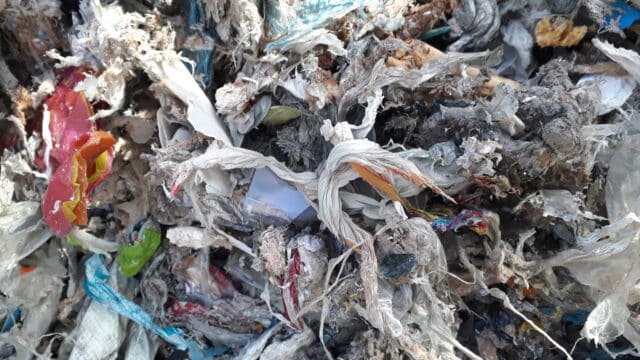
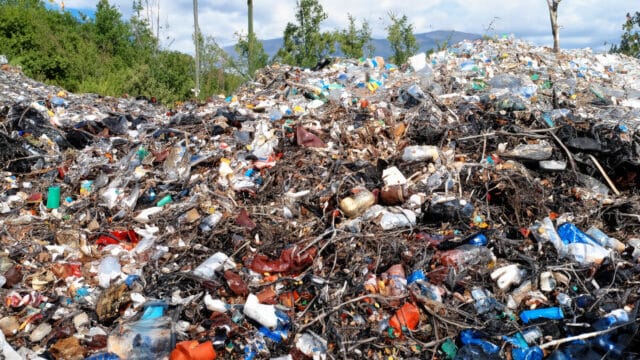
Paper and packaging factories can utilize various types of refuse-derived fuel (RDF) or solid-recovered fuel (SRF). Incinerating these fuels in a combined heat and power plant provides a decentralized, sustainable energy source while lowering waste management costs. RDF and SRF can be produced from different industrial waste streams, such as:
-
Rejects from recycled paper

-
Paper sludge

-
Plastics from recycling paper
-
Industrial waste

-
Commercial waste
-
And many more


Highlighted project: Paper factory utilizing RDF
HoSt Thermal Technology constructed a combined heat and power (CHP) facility with a capacity of 15 MW thermal (MWth) and 1.8 MW electrical (MWe) at a major cardboard production site, Vrancart, in Adjud, Romania. This installation operates on refuse-derived fuel (RDF), which is sourced from paper recycling rejects, paper sludge, scrap timber, and general municipal waste. This resulted in a fifty percent reduction in the factory’s reliance on natural gas.
The paper mill is self-sufficient in its fuel supply, generating its own RDF from recycled byproducts and utilizing the resulting energy in-house for its operational demands. Within the plant, a water tube steam boiler unit feeds the turbine, which produces 1.8 MW of electricity and finally delivers 18.5 tons per hour of steam to the paper mill at a pressure of 6 barg and a temperature of 175°C. The overall system complies not only with rigorous EU emission standards, but the measured values are significantly better. It incorporates state-of-the-art flue gas treatment and is housed in a compact structure with a height of only 17 meters.

Converting RDF into renewable heat and power
Our RDF-fired combined heat and power plant is based on a modular and efficient design that circumvents the inherent disadvantages of large-scale installations. Unlike conventional large waste incineration plants, which often have low overall efficiencies, the HoSt plant achieves an exceptional 90% overall efficiency. This is achieved by fully utilising the steam and heat produced for your local industrial processes, such as paper drying. This provides a significant sustainability advantage by maximising the valorisation of your own waste streams (such as paper sludge and rejects).

HoSt's innovative design: Industry leading in both efficiency and low emissions
HoSt’s innovative design guarantees high availability of the installation, ensuring an economically attractive Return on Investment (ROI). The system has a unique and patented design in which the furnace and boiler are built in a modular way and placed side by side. This design allows for a low construction height (roof height < 20 m) and good accessibility for maintenance. HoSt offers the lowest emission technology available in the industry, with emission guarantees that comply with the Industrial Emission Directive and new BREF limits. In addition, the complete control of the furnace allows for a wide variety of fuels. This is made possible thanks to techniques such as Staged Combustion, and Flue Gas Recirculation.
The process
Technical highlights
- Proven, reliable, and efficient technology based on a robust firing grate in combination with a unique water tube boiler design. Modular design reduces building height and foundation requirements, lowering civil construction costs.
- The water tube boiler is designed to handle high chlorine and sulphur contents in the fuel, and an Inconel layer is applied in the harshest environment in the boiler to avoid corrosion.
- High availability by minimising fouling and corrosion
- High-pressure steam soot blowers for online cleaning, perfect for maintaining high availability even when firing high-ash-content waste.
- NO-NOx technology and other advanced flue gas cleaning technologies to achieve top-tier emission standards.
- High (electrical) efficiency.
- Easy integratable add-on: Carbon capture. Capture CO2 and produce gaseous bioCO2 or food-grade liquid CO2 combined with CO2 liquefaction.