
CO2 recovery & liquefaction

Bio-CO2 production
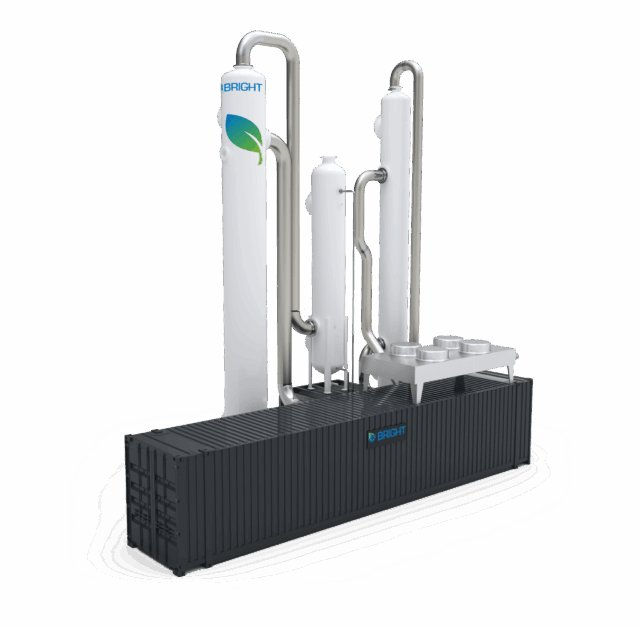
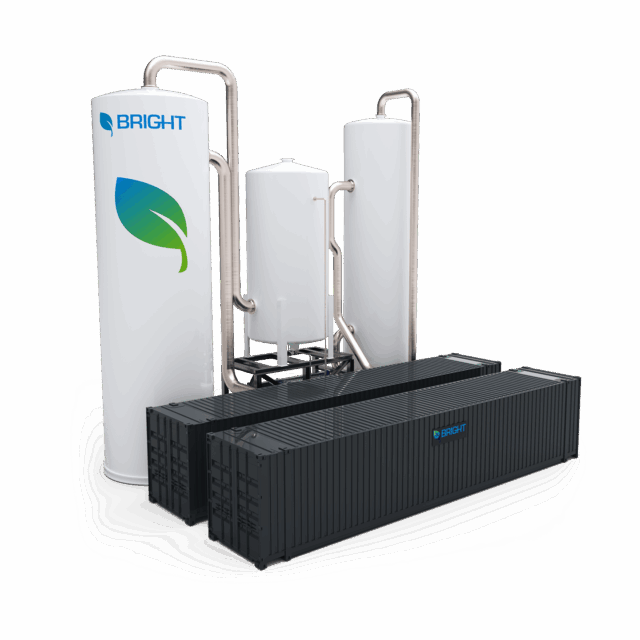
An advantage of our CO2 liquefaction technology, is the liquid bio-CO2 production of consistent food grade quality while simultaneously creating additional revenue. Additionally, CO2 recovery and liquefaction technology contributes to reducing carbon emissions. This technology is an essential add-on for biogas upgraders and carbon capture systems. As it enhances the methane recovery of the biogas upgrading plant and the applications of the captured gaseous CO2.
Our CO2 liquefaction product range:
Compact
Medium

Grand
Features
- Modular and containerized solution.
- High quality own bio-CO2 supply
- (Bio)CO2 of food-grade quality
- Cooling with CO2 as a refrigerant
- Increase of sustainability and lowering of carbon intensity score (CI-score)

CO2 purification
The CO2 liquefaction technology is unique by using CO2 a natural refrigerant, instead of Freon or Ammonia making it sustainable and environmentally safer. Our CO2 liquefier system has a containerized design for plug-and-play installation on-site with a quick start-up. Purification and liquefaction of the CO2 enables sustainability, by serving as a responsible substitute for CO2 obtained from natural gas. Additionally, liquid (bio)CO2 has numerous applications in many industries, such as the horticulture-, food- and refrigeration industry.

Frequently asked questions
Where does the CO2 come from?
During biogas upgrading, CO2 is separated from the methane. This CO2 is biogenic, taken from the atmosphere by the source material, and rather than venting it, HoSt recovers it as a usable product. Recovery is the step that captures and cleans this stream before liquefaction. More information.
How does CO2 liquefaction work?
Liquefaction cools and compresses the recovered CO2 until it becomes a liquid, which is far easier to store and transport than the gas. Purification to food-grade quality happens as part of the process, so the output is a product ready for sale. More information.
What are the advantages of liquefying the CO2?
Liquid CO2 turns a process by-product into a commercial output and a second revenue stream for the plant. It is compact to store and transport, and at food-grade quality it commands the highest value. It also reduces the plant’s overall emissions, because the CO2 is used rather than released. More information.
What can the recovered CO2 be used for?
Biogenic CO2 has ready markets: carbonation and packaging in the food and beverage industry, crop stimulation in greenhouse horticulture, and industrial uses such as welding. Selling it as certified food-grade requires a CO2 gas analyser to validate the quality. More information.


