
Biomethane liquefaction
Bio-LNG technology
Biomethane liquefaction technology purifies biogas to biomethane and further into bio-LNG or liquid biomethane. This in-house technology is an add-on system for biogas plants including a biogas upgrading system. The technology enables local biomethane producers to gain a secure and high-quality fuel source – providing an eco-friendly alternative fuel. Bio-LNG technology empowers sustainable energy production while increasing circularity.
Biomethane liquefaction is an add-on system for the following turnkey solutions
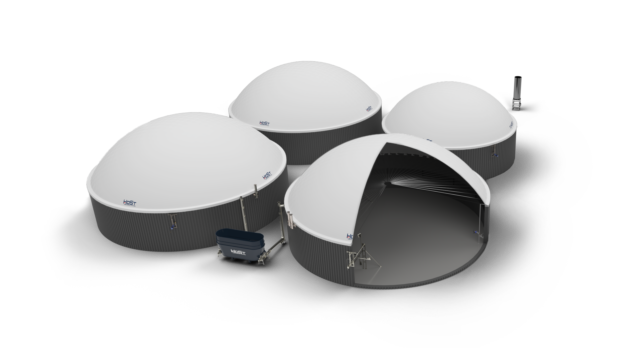
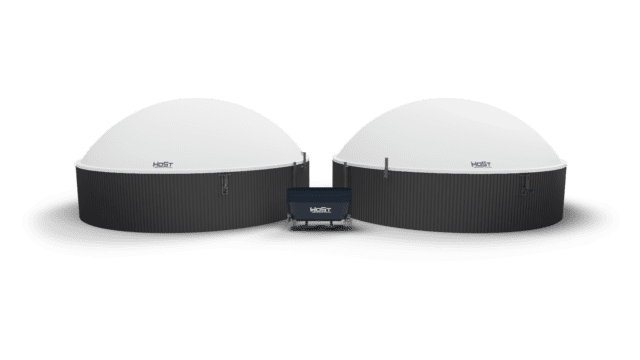

Features
- Bio-LNG provides an eco-friendly alternative fuel
- Liquid biomethane is applied in various industrial processes
- Compact and modular design, ensuring an effortless integration into the renewable energy facility
- Liquefied biomethane is easily transported
- Lowering of the Carbon Intensity (CI) score

Liquid biomethane
Bio-LNG is a high-energy density fuel and can be used for various applications – including heavy transportation fuel, shipping, and internal production processes. Biomethane liquefaction systems are compact-sized, meaning every biogas producer can profit from and expand their sustainable business operations. A biogas facility including a biogas upgrading system in combination with bio-LNG technology and a CO2 liquefier results in additional revenue and a significant decrease in the Carbon Intensity (CI) score.
Frequently asked questions
What is bio-LNG used for?
Bio-LNG is liquefied biomethane, and its high energy density makes it well suited to heavy transport where batteries fall short: long-haul lorries and marine vessels in particular. It is chemically equivalent to fossil LNG, so it works in existing LNG engines and refuelling infrastructure. More information.
Why liquefy biomethane instead of using it as gas?
Liquefying biomethane shrinks its volume dramatically, which lets you store and transport far more energy in the same space and reach sites without a gas-grid connection. That makes bio-LNG a practical renewable fuel for heavy transport and for remote or off-grid operations. More information.
How is the biomethane made before it is liquefied?
It starts as biogas from anaerobic digestion, which is then upgraded to remove CO2 and impurities and raise the methane to grid quality. Only then is it liquefied, so the liquefaction step is an add-on to the upgrading process rather than a separate plant. More information.
How reliable is biomethane as a fuel supply?
Because it is produced continuously from available feedstock, biomethane offers a steady, storable fuel that is independent of weather, unlike some other renewables. Liquefaction adds storage, which further buffers supply against demand peaks. More information.


